Master the Art: Youth-Focused Martial Arts Training in Kickboxing

Kickboxing is more than just a sport; it is a powerful tool for youth development. It combines physical fitness, discipline, and self-defense skills. For young people, kickboxing can be a transformative experience. It helps them build confidence, improve focus, and develop a sense of community. In this blog post, we will explore the benefits of youth-focused martial arts training in kickboxing, how to get started, and tips for parents and coaches.
The Benefits of Kickboxing for Youth
Kickboxing offers numerous benefits for young practitioners. Here are some key advantages:
Physical Fitness: Kickboxing is an excellent workout. It improves cardiovascular health, builds strength, and enhances flexibility. Young people who engage in kickboxing often find themselves more active and healthier.
Discipline and Focus: Learning kickboxing requires concentration and discipline. Students must pay attention to their instructors and practice regularly. This focus can translate into better performance in school and other activities.
Self-Defense Skills: Kickboxing teaches practical self-defense techniques. Young people learn how to protect themselves in various situations. This knowledge can boost their confidence and sense of security.
Social Interaction: Kickboxing classes provide a supportive environment. Young practitioners meet peers with similar interests. This camaraderie can lead to lasting friendships and a sense of belonging.
Stress Relief: Physical activity is a great way to relieve stress. Kickboxing allows young people to channel their energy and emotions in a positive way. It can be a healthy outlet for frustration and anxiety.
Getting Started with Kickboxing
If you are interested in kickboxing for your child, here are some steps to get started:
Research Local Classes: Look for martial arts studios or gyms that offer youth kickboxing classes. Check their credentials and read reviews from other parents.
Visit a Class: Before enrolling, visit a class to observe. This will give you a sense of the environment and teaching style. Look for a supportive and encouraging atmosphere.
Talk to the Instructor: Speak with the instructor about your child's needs and goals. A good instructor will be willing to answer your questions and provide guidance.
Start with the Basics: Ensure your child begins with beginner classes. This will help them learn the fundamentals without feeling overwhelmed.
Encourage Consistency: Regular practice is key to improvement. Encourage your child to attend classes consistently and practice at home.
Essential Gear for Kickboxing
Having the right gear is important for safety and performance. Here are some essential items your child will need:
Boxing Gloves: Proper gloves protect the hands and wrists during training. Look for gloves that fit well and provide adequate padding.
Hand Wraps: Hand wraps offer additional support and protection for the hands. They help prevent injuries during training.
Shin Guards: Shin guards protect the legs during sparring. They are essential for safety, especially for beginners.
Mouthguard: A mouthguard protects the teeth and jaw during training. It is a must-have for any kickboxer.
Comfortable Clothing: Lightweight, breathable clothing allows for ease of movement. Look for athletic wear that is comfortable and fits well.
Training Tips for Young Kickboxers
To help young kickboxers succeed, here are some training tips:
Set Goals: Encourage your child to set personal goals. Whether it is mastering a specific technique or improving fitness, having goals can motivate them.
Practice Regularly: Consistency is key. Encourage your child to practice techniques at home and attend classes regularly.
Stay Positive: Celebrate progress, no matter how small. Positive reinforcement can boost confidence and motivation.
Focus on Technique: Emphasize the importance of proper technique over power. Good technique leads to better performance and reduces the risk of injury.
Encourage Teamwork: Kickboxing can be a solo sport, but it also involves working with partners. Encourage your child to support their classmates and learn from each other.
The Role of Parents in Kickboxing Training
Parents play a crucial role in their child's kickboxing journey. Here are some ways to support your young kickboxer:
Attend Classes: Whenever possible, attend classes to show support. Your presence can boost your child's confidence and motivation.
Provide Transportation: Ensure your child can attend classes regularly by providing transportation. Consistency is vital for progress.
Encourage Healthy Habits: Promote a healthy lifestyle at home. Encourage balanced meals, hydration, and adequate rest to support their training.
Be Involved: Engage in conversations about their training. Ask about what they learned and how they feel about their progress.
Respect Their Space: While support is important, allow your child to have their own space in their training. Encourage independence and self-discovery.
Overcoming Challenges in Kickboxing
Like any sport, kickboxing can present challenges. Here are some common obstacles and how to overcome them:
Fear of Sparring: Many young kickboxers feel nervous about sparring. Encourage them to take it slow and focus on technique. Remind them that sparring is a learning experience.
Plateaus in Progress: It is common for students to hit a plateau in their training. Encourage them to stay patient and keep practicing. Remind them that progress takes time.
Injuries: Injuries can happen in any sport. Emphasize the importance of listening to their body and taking breaks when needed. Proper warm-ups and cool-downs can help prevent injuries.
Balancing School and Training: Young athletes often struggle to balance schoolwork and training. Help them create a schedule that allows time for both. Encourage them to prioritize their responsibilities.
The Community Aspect of Kickboxing
Kickboxing is not just about individual training; it is also about community. Here are some ways kickboxing fosters a sense of belonging:
Group Classes: Training in a group setting allows young people to bond with their peers. They share experiences, challenges, and victories together.
Competitions: Many kickboxing schools host competitions. Participating in these events can build camaraderie and a sense of achievement.
Supportive Environment: A good kickboxing school fosters a supportive atmosphere. Instructors and students encourage each other, creating a positive community.
Friendships: Many young kickboxers form lasting friendships through their training. These connections can extend beyond the gym and into their everyday lives.
The Future of Youth Kickboxing
As kickboxing continues to grow in popularity, its benefits for youth will become even more recognized. Here are some trends to watch for:
Increased Accessibility: More gyms and studios are offering youth kickboxing classes. This makes it easier for young people to get involved.
Focus on Mental Health: The mental health benefits of kickboxing are gaining attention. More programs will likely emphasize mindfulness and emotional well-being.
Integration with Schools: Some schools are beginning to incorporate martial arts into their physical education programs. This could provide more opportunities for youth to experience kickboxing.
Diversity in Training: As kickboxing evolves, expect to see more diverse training styles and techniques. This will enrich the experience for young practitioners.
Kickboxing is a powerful tool for youth development. It offers physical fitness, discipline, and a sense of community. By supporting young kickboxers, we can help them build confidence and resilience. Whether you are a parent, coach, or young athlete, embracing the journey of kickboxing can lead to a brighter future.
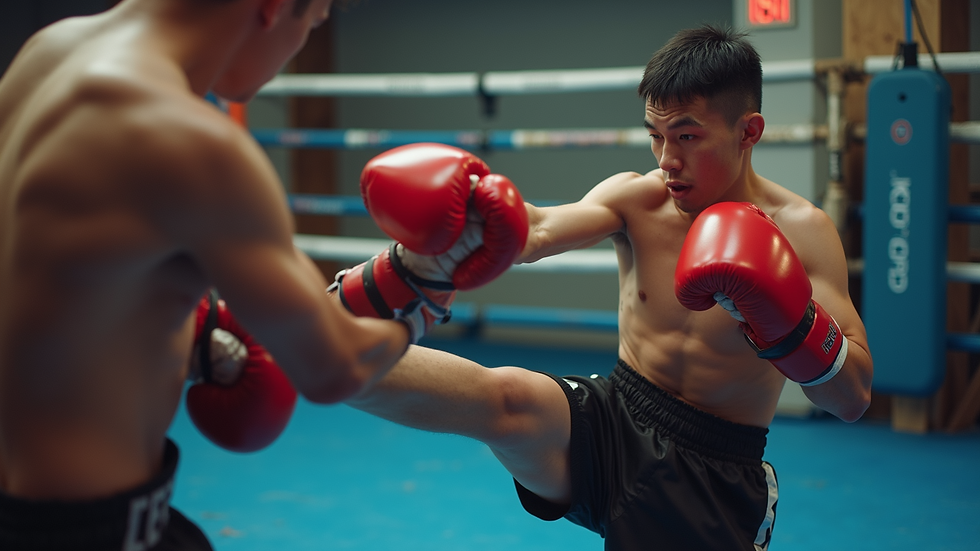
As we explore the world of youth-focused martial arts training in kickboxing, it is clear that the benefits extend far beyond the ring. The skills learned in kickboxing can shape young lives in profound ways. So, let us encourage the next generation to step into the ring and discover their potential.

Comments